


How to Make a Cortado at Home
Pour equal weights of espresso and lightly steamed milk, then adjust by a few grams to keep the coffee flavor clear.

Espresso is a small, concentrated coffee made by forcing hot water through a compact bed of finely ground coffee under pressure. The word describes both the brewing method and the drink it produces. Espresso is served on its own and forms the coffee base of drinks such as lattes, cappuccinos and Americanos.
| Feature | What it means |
|---|---|
| Brewing method | Hot water passes through finely ground coffee under pressure. |
| Concentration | A small drink carries a substantial amount of coffee flavor and texture. |
| Serving size | A single or double shot; the actual recipe varies between machines and cafés. |
| Crema | The foam commonly seen on top. Its appearance cannot establish how good the drink tastes. |
In a conventional espresso machine, ground coffee sits inside a metal filter basket. The basket fits into the handled holder called a portafilter. The coffee is spread evenly and pressed into a compact bed, often called a puck.
During brewing, the machine pushes hot water through this bed. Water dissolves some of the coffee’s soluble material and carries it into the cup, together with dispersed oils and fine particles. The drink has a concentrated flavor and a texture that can feel fuller than paper-filtered coffee. For the complete coffee-to-taste system, see how espresso extraction works.
Pressure makes this method possible, but more pressure does not automatically improve the result. Around 9 bar is a familiar reference for conventional machine brewing; espresso can also be brewed with different pressure settings and profiles. A “15-bar” or “19-bar” pump label is not a taste score or proof of the pressure at the coffee during a shot.
The recipe matters alongside the equipment. Grind, coffee quantity and the amount collected in the cup work together. Numbers help describe how a shot was prepared; they do not replace tasting it.

A shot is a serving of espresso. A single traditionally uses a smaller coffee dose, often around 7–9 g, while many modern double-shot recipes use about 18–20 g. Basket capacities and local conventions vary, so these figures describe common approaches rather than instructions for every machine.
A double does not have to arrive in two cups. One extraction from a double basket can go into one cup or be divided between two. Likewise, a machine’s two-cup button does not tell you exactly how many grams of coffee or espresso it will use.
Dose means the weight of dry ground coffee used. Output, often called beverage yield, means the weight of espresso collected. Keeping these separate makes a recipe much easier to understand.
For example, imagine brewing 18 g of coffee in a suitable double basket and collecting 36 g of espresso. That is a 1:2 brew ratio: two grams of finished drink for each gram of dry coffee. It compares coffee with drink output, rather than all the water the machine uses. This is an illustrative recipe; use a dose suitable for your basket.
You may also see a single described as roughly one fluid ounce, or 30 mL. Volume includes crema, whose amount changes and settles after brewing. Grams and milliliters are therefore not interchangeable for a foamy shot. Weighing the drink makes repeat comparisons easier.
Ristretto generally means a shorter output relative to the coffee dose; lungo means a longer one. The names are relative to a recipe. Neither automatically means better, sweeter or more correctly extracted.
Espresso has a concentrated coffee flavor, with a character that depends on the coffee and roast. You might notice chocolate, nutty, caramel-like, fruity or floral characteristics. Those descriptions refer to flavors people perceive; they do not mean those ingredients were added.
Acidity, sweetness and bitterness can all be present. A darker profile may emphasize roast bitterness, while a lighter one may make acidity more noticeable. Neither color nor intensity tells you whether the drink is well prepared.
A useful question is whether the flavors work together for you. A concentrated shot can be enjoyable without being harsh. A persistent burnt, sharply sour or drying sensation is worth investigating, but no single sensation identifies one brewing error with certainty.
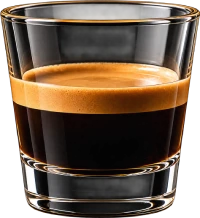
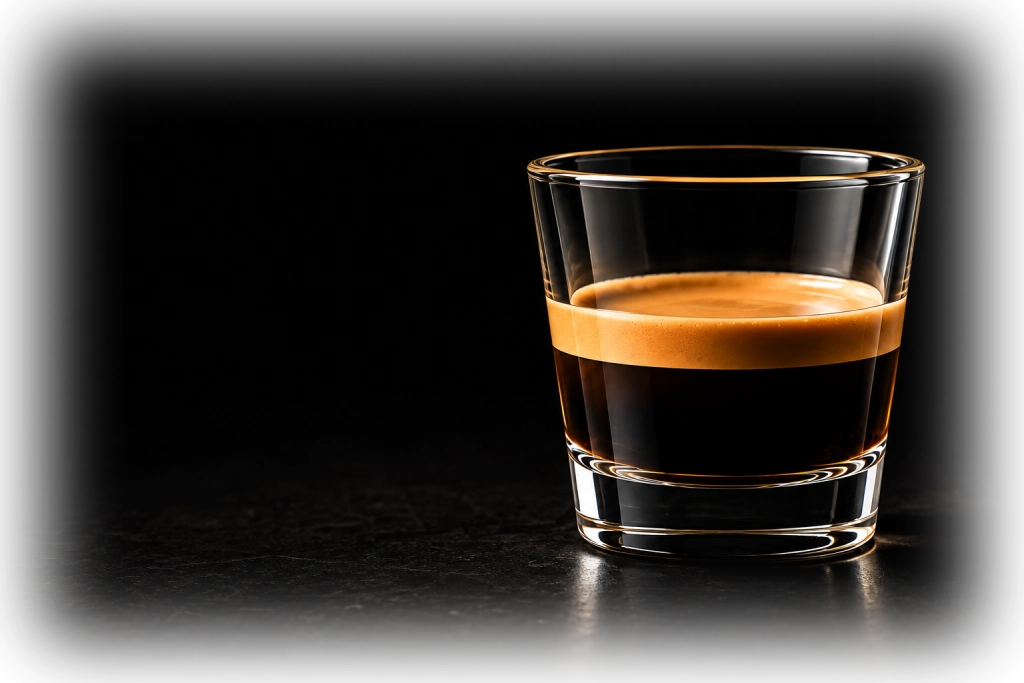
Crema is coffee foam. Much of its gas comes from carbon dioxide formed during roasting and retained in the coffee. Brewing under pressure and the pressure drop as the drink leaves the coffee bed help produce the bubbles seen at the surface.
Its color, amount and persistence depend on the coffee, its condition and the brewing system. Crema is part of espresso’s appearance and texture, but a large amount does not prove balanced extraction. The drink underneath still needs to taste good.
Smell the espresso, then stir it gently to mix the drink before tasting. Let it cool enough to sip comfortably, and try it again as the temperature falls. Notice the flavor, how heavy or light it feels, and what remains after swallowing.
If you usually add milk, taste a small sip first and then judge the finished milk drink too. The coffee needs to work in the way you actually drink it. You do not have to prefer straight espresso to make good use of an espresso machine.

Espresso can be made from different coffee species, origins, blends and roast levels. An “espresso” label usually describes the roaster’s intended brewing use or flavor approach. It does not identify a separate species of bean, and espresso does not have to be a dark roast.
For home brewing, choose coffee whose flavor profile suits you and whose preparation requirements suit your machine. A medium roast may be a useful place to start if you want a balance between roast character and acidity. Someone seeking a more pronounced roast flavor may prefer a darker profile.
The grind must also suit the brewing system. In a conventional single-wall basket, the coffee bed provides much of the resistance to water flow, making grind adjustment especially important. Pre-ground filter coffee may be too coarse for that setup. A pressurized or dual-wall basket adds resistance at its outlet and may be designed for pre-ground coffee. Follow your machine’s basket guidance.
Choose decaffeinated coffee if that suits your preference. Decaf can be brewed as espresso using the same general method; the grind and recipe may need adjustment for that particular coffee.
The preparation steps depend on how much your machine handles automatically. Understanding that difference prevents you from applying instructions intended for another system.
With a typical semi-automatic machine, you prepare the ground coffee in the basket, fit the portafilter into the machine and start brewing. A grinder with suitable espresso adjustment helps you control the resistance of the coffee bed. A small scale helps you compare the dose and output.
The basic routine is to use a dose suitable for the basket, spread the grounds evenly, tamp level, brew and taste. Begin with the manufacturer’s preparation guidance. Record the dose and output before adjusting the recipe so you can compare the next attempt. Use the dialing-in guide to work through those recipe adjustments.
A fully automatic bean-to-cup machine handles grinding, dosing and brewing internally. Use its available coffee-quantity, grind and drink-length controls as the manual permits. A conventional 18 g portafilter example may not fit its brewing unit.
Capsule systems use pre-portioned coffee, and their brewing technologies differ. Some prepare pressure-brewed espresso; others use a different mechanism to produce drinks labeled espresso. Follow the specific system’s instructions and judge its result without assuming every capsule drink reproduces a conventional portafilter shot.
A moka pot or AeroPress can make concentrated coffee suitable for a small drink or for mixing with milk. These brewers use different methods from conventional machine espresso, so expect differences in concentration, foam and texture.
Some portable manual brewers are designed to make espresso under pressure. Electricity is not the defining requirement; the brewing mechanism matters. Use each brewer’s own instructions rather than applying espresso tamping or dosing rules to every device.
Espresso is the base for each drink below. See Espresso Drinks Explained for serving sizes, milk texture and side-by-side comparisons.

The brewed shot, served on its own.

Espresso + water

Espresso + steamed milk + light foam

Espresso + steamed milk + more foam

Espresso + a little milk or foam
Ingredients are shown separately for clarity. Recipes and serving sizes vary between cafés.
Adding water or milk dilutes the espresso. With the same shot as the base, the amount of caffeine stays the same.
Yes. Espresso is one way to brew roasted coffee. Everyday comparisons between “espresso” and “coffee” usually use the second word to mean drip or filter coffee.
Espresso usually has a higher coffee concentration than drip or filter coffee, so a small sip can taste more intense. Total caffeine is a separate question: a larger serving of filter coffee can contain more caffeine than a small espresso. The coffee, dose and preparation determine the amount; flavor intensity cannot reliably tell you how much caffeine a drink contains.
No. Time is a useful recipe measurement, not a universal definition of espresso or a guarantee of good flavor. Coffee, output and equipment affect it, including any initial wetting stage called pre-infusion. Starting the timer when the pump starts gives a different reading from starting at the first drip. Use the same timing convention when comparing shots.
Use the planned output or your machine’s programmed drink setting, then taste the result. The cup does not need to be full, and a fading crema layer is not a reliable stop signal. For a manual recipe, measuring what reaches the cup gives you a clearer basis for repeating or adjusting it.
Pour equal weights of espresso and lightly steamed milk, then adjust by a few grams to keep the coffee flavor clear.

Use your usual espresso dose, stop at a shorter yield, and taste both shots to find the texture and flavor you prefer.

Mark an espresso with a small spoonful of milk foam. Learn how to get the texture right and adjust the milk to suit the shot.



Leave a comment