


How to Make a Cortado at Home
Pour equal weights of espresso and lightly steamed milk, then adjust by a few grams to keep the coffee flavor clear.

Espresso drinks differ in what happens to the shot. A ristretto is brewed with a shorter yield. An Americano is a finished shot diluted with water. A cortado softens espresso with a small amount of milk. A cappuccino emphasizes foam, a flat white pairs a compact serving with silky milk, and a latte gives milk a larger role.
Start with what you want to taste. Order an espresso or an Americano when you want the coffee on its own. Try a cortado if you want the espresso to stay prominent with a little milk. Choose a cappuccino for a cushion of foam, a flat white for a smooth texture with a clear coffee flavor, or a latte for a gentler cup you can sip longer.
The same drink can look different from one café to the next. Use the table to choose a drink by flavor, texture, or serving size. The comparisons assume a similar espresso base.
| Drink | How it’s made | Choose it if you want… |
|---|---|---|
 Espresso |
A small, concentrated shot brewed under pressure | A few concentrated sips that put the coffee first |
 Doppio |
A double espresso | More straight espresso in the cup |
 Ristretto |
Espresso brewed to a shorter yield for the same dose | A shorter, concentrated sip with a fuller feel |
 Lungo |
Espresso brewed to a longer yield for the same dose | A longer pull with more liquid from the same dose |
 Americano |
Espresso diluted with hot water | A longer black coffee with a lighter body |
 Long black |
Espresso poured over hot water, often with less water than an Americano | A compact black coffee with crema visible on top |
 Espresso macchiato |
Espresso marked with a little milk or foam | Mostly espresso with a touch of milk |
 Cortado |
Espresso and a small pour of warm, lightly textured milk, often close to equal parts | A small milk drink that still tastes distinctly of coffee |
 Cappuccino |
Espresso and steamed milk with a more noticeable foam layer | A noticeable cushion of foam on the first sip |
 Flat white |
Espresso with a compact pour of silky steamed milk and fine microfoam | Silky milk with a clear espresso flavor |
 Latte |
Espresso with a larger pour of steamed milk and a thin layer of foam | A softer, milk-forward drink to sip longer |
 Mocha |
Espresso, chocolate, and milk | Chocolate sweetness with your espresso |
The useful details on any menu are the number of shots, the size of the finished drink, and the texture of the milk. Those tell you more about the cup in front of you than the drink name alone. If you order the same drink at two cafés and one tastes much milkier, ask how many shots each uses and compare cup sizes before assuming they use very different coffee.

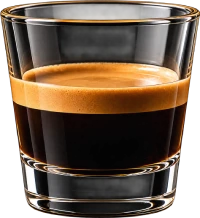
A straight espresso puts the coffee in the foreground. Espresso is brewed by pushing hot water through a compact bed of finely ground coffee under pressure. A doppio is a double espresso. Many cafés already serve a double when you order an espresso, so ask what their standard shot includes if you want a specific serving.
A ristretto and a lungo change the brew ratio, which compares the weight of dry coffee in the basket with the weight of liquid espresso in the cup. With an 18 g dose, try 27 g for a shorter shot, 36 g for a baseline double, and 54 g for a longer shot. These are three starting points you can taste side by side. Your basket may call for a different dose, and different coffees can taste better at different yields.
Taste these shots once they cool a little. Compare how thick each feels, what flavors you can pick out, and what lingers after you swallow. If the shorter shot is syrupy but harsh, try a few grams more yield before jumping to the longest recipe. If the longer shot tastes clear and balanced until a drying finish takes over, stop a little earlier next time.
A useful home comparison is to pull your usual espresso, weigh out a splash of hot water, and stir the water into the cup. Then pull a second shot directly to the same final weight using the same coffee dose. Both cups contain roughly the same amount of liquid. The first is diluted after brewing. The second spent longer in contact with the grounds. Taste them side by side to decide which way you prefer to open up the flavor.

Both start with espresso and hot water. An Americano is often made by adding water to a finished shot. For a long black, the café typically puts hot water in the cup first and pulls or pours the espresso over it. Cafés use both names differently, so look at the serving size and the number of shots if the distinction matters to you.
The long black often comes in a smaller cup and can keep more of the crema visible on top. Its stronger impression usually comes from the amount of water used. If both drinks use the same espresso and the same amount of water, stir them and the overall concentration will be comparable. The surface and first sip can still differ. Crema by itself tells you little about how much coffee went into the cup.
To compare the two variables at home, start with two 36 g double shots made from the same recipe and two identical cups.
An iced Americano follows the same idea with cold water and ice. Start with a little less water than you think you need, especially if you’ll sip slowly. As the ice melts, the drink will continue to dilute. The same reasoning applies when a café offers several sizes. Ask whether the larger cup gets another shot or simply more water.
For help choosing the beans behind these recipes, use our coffee for milk drinks guide. It compares flavor profiles for different amounts of milk.
Milk changes both flavor and texture. A little milk softens the edges of the shot while leaving its flavor easy to taste. A larger pour can make the drink rounder and milder. Foam changes how the first sip feels, and two drinks with a similar amount of milk can feel very different if one has a deeper foam layer.
An espresso macchiato is a shot marked with a small spoonful of foam or a little textured milk. The first sip may pick up some softness from the milk, and the rest of the drink still tastes mainly like espresso. If a menu lists a caramel macchiato or latte macchiato, ask how it’s built. The name can refer to a much larger drink with a different milk-to-coffee balance.
A cortado uses enough warm milk to round out the shot throughout the cup. Many cafés work near equal parts espresso and milk, with just a little fine foam. For a home starting point, weigh 35–45 g of poured milk into a 36 g double. Taste the result before adding more. The coffee should still be easy to pick out, and the cup should feel softer than the straight shot.
Choose the macchiato when you want a short espresso with a touch of milk. Choose the cortado when you want a small milk drink you can sip with the coffee flavor present all the way through.
A cappuccino gives the foam a more noticeable role. The first sip feels aerated, then the espresso and steamed milk come through beneath it. Well-textured foam can be fine and cohesive even when the layer is deeper. The familiar one-third espresso, one-third milk, and one-third foam description is a handy mental picture. Cup size, shot size, and foam depth vary too much across cafés to use that formula as a universal recipe.
A flat white has a smooth, integrated texture with a shallow layer of fine microfoam. It usually comes in a smaller serving than a latte, so a comparable shot has less milk to compete with. A flat white and a cappuccino can be close in size. If the menu gives you little detail, the most useful distinction is how much foam you want in the first sip.
A latte generally uses more steamed milk, with a thin finish of foam. With the same shot count, that larger pour gives the milk more influence and makes the coffee taste gentler. A latte can still taste coffee-forward when made in a smaller cup or with another shot. Latte art can appear on a flat white, cappuccino, or latte whenever the milk is textured well enough to pour a pattern.
A mocha adds chocolate to espresso and milk. Chocolate sauce, cocoa, and melted chocolate can produce different levels of sweetness and body. To see what the chocolate contributes, start with the milk amount you use for a latte and stir a little chocolate into the espresso before pouring. Taste before adding more, especially if you want the coffee flavor to stay clear.
When a smooth pour is repeatable, learn the first heart in Latte Art for Beginners.
An iced latte combines espresso with cold milk and ice. Use the milk pour as your main adjustment. If your usual hot latte already tastes mild, start with less milk in the iced version and allow room for the ice to melt. When ordering, ask whether the café adds syrup by default if you want the flavor of espresso and milk alone.
Choose one thing you want to change about your usual drink, such as the coffee flavor, the amount of milk, or the feel of the foam. If you make it at home, keep your shot recipe constant for the first comparison so you can taste what the other ingredients contribute.
Start with a milk that suits your espresso drink, then use the steaming method for your machine.
For a controlled comparison, use the same coffee, basket, and espresso yield. If your machine and basket suit an 18 g dose and 36 g yield, that’s a convenient baseline. Your own balanced shot works just as well. Prepare three drinks on different days or share them for a side-by-side tasting.
These are weights of milk that go into the cup. Steam enough milk for your pitcher and machine to work well, then weigh the amount you actually pour. Foam takes up space, so the same weight can fill a cup differently depending on how much air you add. Pick a cup with enough room for the espresso, milk, and foam.

36 g espresso + 90 g poured milk and foam. A deeper, softer foam layer.
36 g espresso + 100 g poured milk. A shallow, silky microfoam finish.
36 g espresso + 160 g poured milk. A larger, milder drink with a thin foam finish.
These are the starting recipes used in our guides. The images illustrate texture and relative size. They are not measured test results.
Pull a 36 g double espresso for each drink and pour 100 g of steamed milk into each cup. Use the same milk and two cups large enough to give the cappuccino foam room to rise. Keep the milk glossy and pourable for the flat white. For the cappuccino, introduce a little more air early in steaming, then keep the milk circulating so the bubbles stay fine.
Use the microfoam checks to judge the pour, and the milk temperature guide to keep the finish point steady.
Taste both from the rim. The flat white should feel smooth from the first sip. The cappuccino should give you a more aerated first sip, with the liquid coffee and milk underneath. Holding the weights steady lets you see how the extra air changes the texture and how much room the drink takes up in the cup.
Change just one of these variables each time and jot down the dose, yield, and milk or water amount that worked. That gives you a recipe you can repeat and a starting point when you switch coffee.
Straight espresso or ristretto usually tastes the most concentrated. Among milk drinks made with the same shot, an espresso macchiato or cortado typically keeps the coffee most prominent. A stronger taste can also come from the roast, the shot recipe, or the size of the drink. If you mean caffeine, ask how many shots the drink contains.
A latte and a cappuccino made with the same espresso shots have roughly the same amount of caffeine. The milk makes the latte taste milder and increases the size of the drink. A larger latte can have more caffeine if the café adds shots when you size up. Ask what comes with the size you plan to order.
They overlap. A flat white generally keeps the espresso more prominent through a compact serving and uses fine, integrated microfoam. A small latte made with the same shot and a similar pour can taste very close. Ask how the café makes each if you want to choose between them.
A lungo gets its extra liquid during extraction, as water passes through the coffee grounds. An Americano gets its extra water after the espresso has been brewed. The longer extraction changes the flavor of the shot itself. Dilution lets you adjust the concentration of a shot you already enjoy.
Yes. A barista-style oat or soy milk is a reasonable starting point if you want a fine, pourable texture. Brands vary in flavor and how readily they foam, so compare them in the same drink before changing your shot recipe. Taste the milk on its own as well. Its sweetness and flavor are easier to notice in a latte than in a small cortado.
Pour equal weights of espresso and lightly steamed milk, then adjust by a few grams to keep the coffee flavor clear.

Use your usual espresso dose, stop at a shorter yield, and taste both shots to find the texture and flavor you prefer.

Mark an espresso with a small spoonful of milk foam. Learn how to get the texture right and adjust the milk to suit the shot.




Leave a comment