


How to Make a Cortado at Home
Pour equal weights of espresso and lightly steamed milk, then adjust by a few grams to keep the coffee flavor clear.

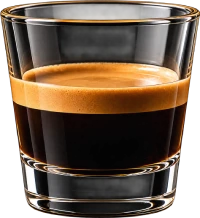
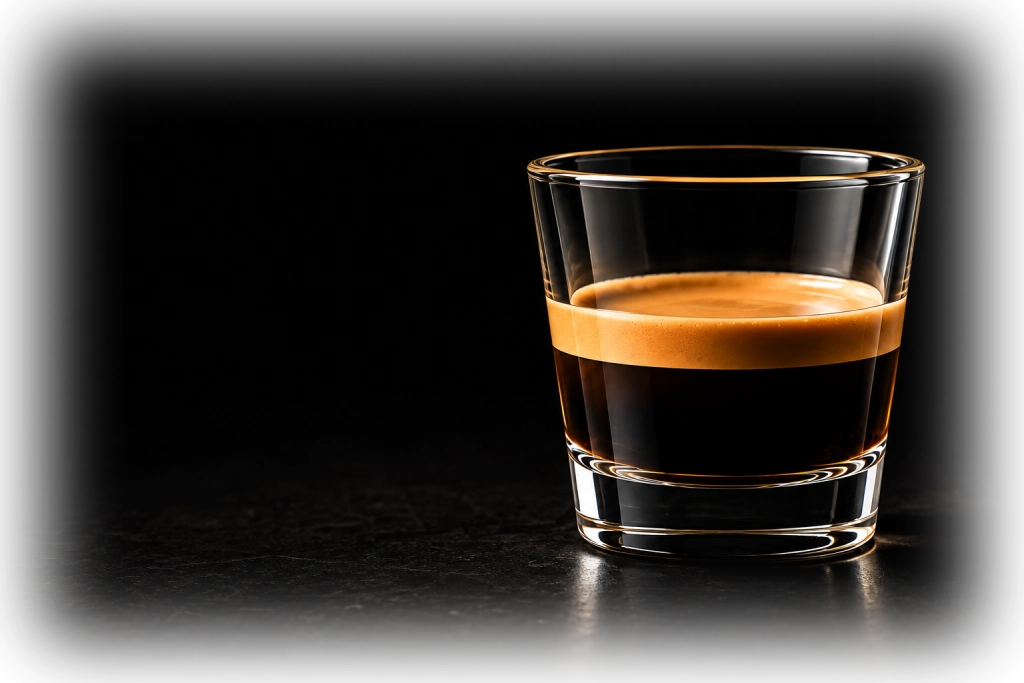
A ristretto uses the same coffee dose as your usual shot and stops at a shorter yield.
A ristretto is an espresso brewed to a smaller yield using the same dose of ground coffee. If your regular double is 18 g of ground coffee in and 36 g of espresso out, keep the dose and start by stopping at 27 g out, a 1:1.5 brew ratio. Taste it beside your regular shot to see whether you prefer the fuller texture and more concentrated flavor.
Some classic-style ristrettos are closer to 1:1, or 18 g in and about 18 g out with that same dose. Start at 1:1.5 to make a smaller change from your usual espresso and taste how the coffee responds. Go shorter only if you enjoy the result.
| Shot style | Example dose | Example yield | Brew ratio |
|---|---|---|---|
 Ristretto |
18 g | 27 g | 1:1.5 |
 Regular espresso |
18 g | 36 g | 1:2 |
 Lungo |
18 g | 54 g | 1:3 |
These examples use one dose to show what changes in the cup. Dose is the weight of the dry grounds. Yield is the weight of the brewed shot, including the liquid under the crema and the crema itself. A ristretto can be brewed as a single or a double. The shorter yield is relative to the dose used. For more drink comparisons, see Espresso Drinks Explained.
A shorter shot can feel heavier because the dissolved coffee is in less liquid. With a shorter brew, less of the dry coffee may also dissolve. A concentrated sip can still taste sharp or leave the middle of the flavor hollow. Taste for sweetness and a clear finish alongside body.

Use the dose that fits your basket and gives you repeatable espresso. If that dose differs from 18 g, multiply it by 1.5 to estimate a first ristretto yield.
Use the brew ratio guide.
| Dose in your basket | Starting yield at 1:1.5 |
|---|---|
| 16 g | 24 g |
| 18 g | 27 g |
| 20 g | 30 g |
If you already brew near 1:1.5, your everyday recipe is already a short shot. If you want to explore a more concentrated cup, use that recipe as the reference and try stopping a couple of grams earlier.

Account for drips after you stop. Suppose you press stop at 27 g and the scale settles at 29 g. On the next shot, try pressing stop near 25 g to allow for those extra 2 g. Weigh the final result again. The amount of coffee that lands after you stop can vary with your machine and how the shot is flowing.
Record the shot time if it helps you repeat the result. An earlier stop often means a shorter time on the same grind. Time varies with the coffee, the grind, and how the machine starts the shot. Compare actual yield and taste before changing the recipe to hit a particular time.

Use matching cups and the same coffee, dose, grind, and puck preparation. For the 18 g dose in this guide, taste the 36 g shot as your reference and the 27 g shot as your ristretto. Prepare them close together, stir each, and compare them at a similar temperature. Take a small sip from each, then return to the reference shot. That second sip helps you judge the finish after the first impression of intensity.
For the difference between concentration and material extracted, see Espresso Strength vs Extraction.
Notice body, flavor, and finish separately. Does the shorter shot feel silkier? Can you still pick out the coffee’s flavor, or does the stronger taste make it harder to identify? Does the finish stay pleasant once you swallow? A ristretto is worth keeping when you prefer how it tastes as well as how it feels.
If the 27 g shot feels fuller but loses the sweetness of the 36 g shot, pull a third shot to 30 g on the same grind. If it brings back the sweetness and still feels fuller than your regular espresso, repeat the 30 g recipe. If you prefer the 27 g cup from the first sip through the finish, keep that recipe. If you prefer the 36 g shot, you already have a recipe that suits that coffee.
| What you notice | What to try next |
|---|---|
| Thick, sweet, and pleasant through the finish | Repeat the dose and yield. Confirm that the next shot tastes similar. |
| Sharp or hollow at the shorter yield, while your usual shot tastes balanced | Add 2–3 g to the yield with the same dose and grind. Taste again. |
| You want to keep the short yield, but the shot repeatedly runs fast and tastes sharp | Check that your dose and puck preparation are consistent. If they are, try a small step finer and stop at the same weight. |
| Slow drips, uneven flow, or a drying finish after grinding finer | Return to the previous setting and check how the shot flows. Revisit the yield once the shot is repeatable. |
| Flavor is balanced but too intense for your taste | Try a slightly longer yield on the same grind and choose the one you prefer. |
Change one thing each time. Pick a yield that tastes good on your usual grind first. If you later adjust grind to keep a particular yield, weigh the result again because the flow may change. For example, write down 18 g in, 30 g out, same grind, sweeter finish. That gives you a recipe and a reason to repeat it.
Yes, if the machine lets you stop the shot manually or program a smaller serving. Start with a scale and check the final weight in the cup. If you save a new setting, weigh another shot to see how closely it repeats. Changing the coffee or the grind can change the finished weight even when you use the same button.
Start with your normal grind so you can taste what the shorter yield does. If the shorter shot is consistently fast and sharp and you want to keep that final weight, try a small change finer. Hold the dose and yield steady for that comparison.
To make a ristretto, stop the brew at the shorter yield. Pouring away part of a finished shot leaves less espresso in the cup, but the coffee was still brewed to its original yield. If you want to compare the flavor of a ristretto with your regular shot, brew each one to its own target weight.
Pour equal weights of espresso and lightly steamed milk, then adjust by a few grams to keep the coffee flavor clear.

Use your usual espresso dose, stop at a shorter yield, and taste both shots to find the texture and flavor you prefer.

Mark an espresso with a small spoonful of milk foam. Learn how to get the texture right and adjust the milk to suit the shot.



Leave a comment